How Is U.S. Sugar Building the Future of Domestic Food Production?
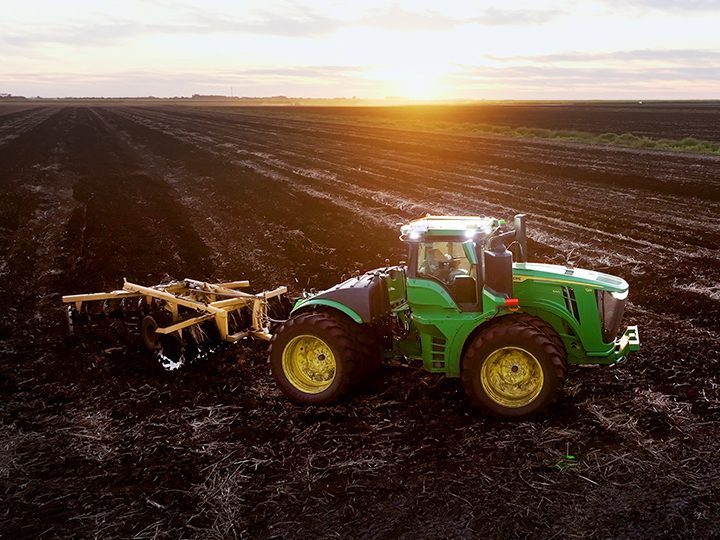
Producing food at scale means long-term investments in land, infrastructure, technology and people. The American food system depends on families, communities and companies willing to think beyond the next growing season.
For nearly a century, U.S. Sugar has embraced this approach in South Florida. As the food economy evolves, the company’s continued domestic production carries on a long-standing tradition and an ongoing commitment to the future of American farming.
Today, U.S. Sugar’s operations connect agricultural production, technological innovation, environmental stewardship and workforce development to support American-grown food for generations to come.
Creating a Strong Foundation for Domestic Food Production
Reliable food production starts with a dependable supply chain.
As one of the largest and most integrated companies in the American sugar industry, U.S. Sugar grows, harvests, mills and refines sugarcane entirely within the United States. The company farms approximately 250,000 acres across South Florida and operates refining facilities in Clewiston, Florida, and Savannah, Georgia. Together, these operations produce up to 850,000 tons of refined sugar annually – approximately 13% of the U.S. supply.
A domestic operation of this scale needs continuous investment in equipment, infrastructure and a strong team. Over time, this focus has created a resilient production system that supports American agriculture and the broader food economy.
Advancing Technology for the Future of American Farming
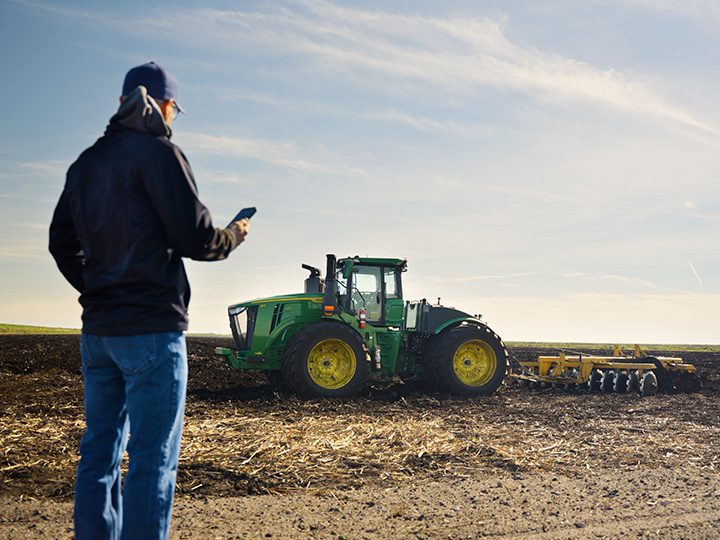
Across its operations, U.S. Sugar has adopted advanced technology to optimize farming practices and support more informed decision-making. Precision agriculture tools, GPS-guided equipment, drone technology and connected sensor networks provide valuable data that allows teams to monitor field conditions and improve operational performance.
The company has also expanded its use of autonomous farming equipment, helping position its operations at the forefront of innovation within the U.S. sugar industry.
These advancements help conserve resources, reduce waste and improve consistency across large-scale agricultural operations. As technology continues to evolve, ongoing research, data analysis and machine learning initiatives are expected to play an even more important role in the future of American farming.
Strong Communities Support Strong Agriculture
Agricultural success depends on people and communities just as much as crops and equipment. U.S. Sugar directly employs nearly 2,000 people and supports approximately 19,000 jobs across Florida. Over the years, many employees have built multi-generational careers with the company, creating a deep connection between the organization and the communities it serves.
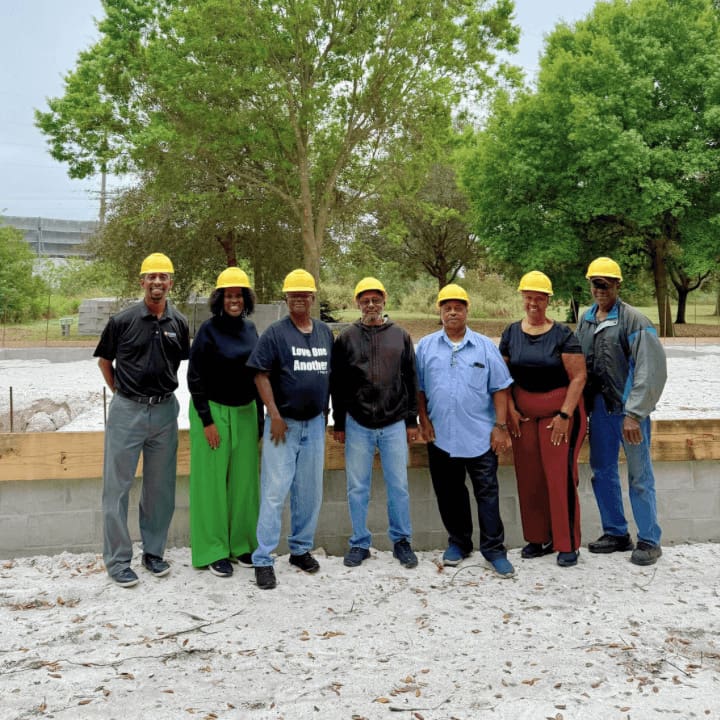
The company is also proud to support local schools, workforce development and Everglades restoration initiatives throughout the region.
Why Sustainability Matters for the Next Generation
When it comes to farming the same land year after year, protecting soil health, water quality and surrounding ecosystems is essential. This principle guides U.S. Sugar’s approach to sustainable agriculture in Florida.
Farmers in the Everglades Agricultural Area, including U.S. Sugar, have achieved an average 57% reduction in phosphorus leaving their fields since 1996—more than double the reduction required under state regulations. These results reflect decades of collaboration, stewardship and continuous improvement.
Sustainability also extends into daily operations at U.S. Sugar. Bagasse – the fibrous material remaining after sugarcane processing – is used as a renewable energy source that helps power the Clewiston facility. Other byproducts are returned to agricultural fields, supporting a more efficient use of resources throughout the production cycle.
Looking Ahead
As consumer expectations around transparency, sustainability and sourcing evolve, food manufacturers and agricultural producers are under pressure to maintain reliable supply chains while adapting to changing market conditions.
Meeting those challenges requires long-term thinking. For nearly 100 years and counting, U.S. Sugar has continued to strengthen domestic food production through infrastructure, technology, and environmental stewardship. Those investments have helped establish the company as an important contributor to American-grown food and the broader U.S. food system.
Learn more about U.S. Sugar’s impact on communities, agriculture and the environment. For additional information on the company’s operations and long-term initiatives, explore the latest Annual Report.