How Does U.S. Sugar Support Environmental Stewardship in South Florida?
How Does U.S. Sugar Support Environmental Stewardship in South Florida?
Sustainable agriculture starts with healthy soil and clean water. In South Florida, that connection runs even deeper, where the health of the Everglades is closely tied to regional water systems, surrounding communities and agricultural operations. For nearly 100 years, U.S. Sugar has been a part of this landscape. With multigenerational roots in this region, we are dedicated to improving water quality and strengthening the local environment as we continue to farm responsibly.
Our Contributions to Everglades Restoration
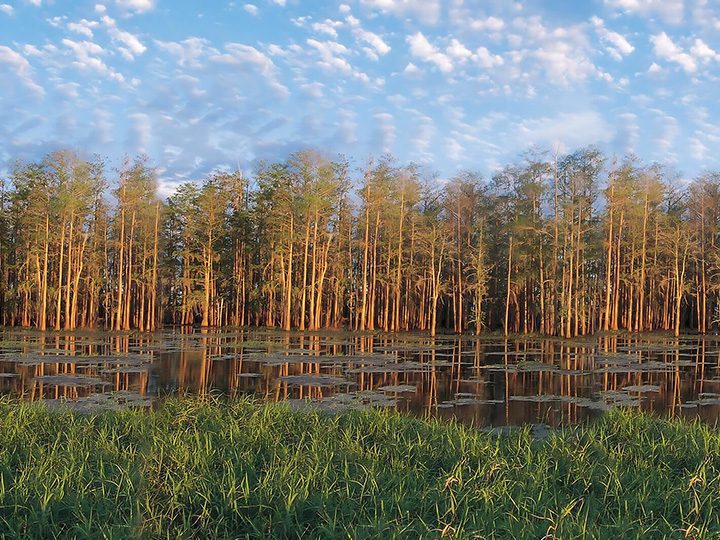
The Everglades is one of the country’s most important ecosystems, playing a vital role in everyday life across Florida. The Everglades is a critical water resource, supports diverse wildlife habitats and is an integral part of South Florida’s diverse ecosystem. Here, sustainable agriculture and environmental restoration go hand in hand, each supporting the other’s health and longevity.
U.S. Sugar has been part of Everglades restoration efforts for decades, including supporting the Everglades Forever Act passed in 1994. This Act established clear water quality standards and measurable benchmarks to track progress. It also made farming in the Everglades Agricultural Area (EAA) part of the solution. Since then, continued collaboration and better water management practices have driven significant progress.
Sustainable Agriculture and Water Quality Improvements
One of our key focuses has been on reducing phosphorus levels in water leaving agricultural lands. Lower phosphorus levels improve downstream water quality and protect the delicate ecosystems of the Everglades. This work highlights our commitment to responsible farming practices that help safeguard this unique system for generations to come.
In addition to operational improvements, U.S. Sugar has participated in land transactions that support large-scale restoration initiatives. Along with other local farmers, we have provided extensive acreage to the State of Florida, including land for water storage, treatment and flow management infrastructure. These transactions have contributed to the expansion of Stormwater Treatment Areas (STAs), which remove nutrients before water continues south into the Everglades. We have also supported the development of water storage and conveyance systems designed to improve regional water management, as well as long-term projects under the Comprehensive Everglades Restoration Plan (CERP).
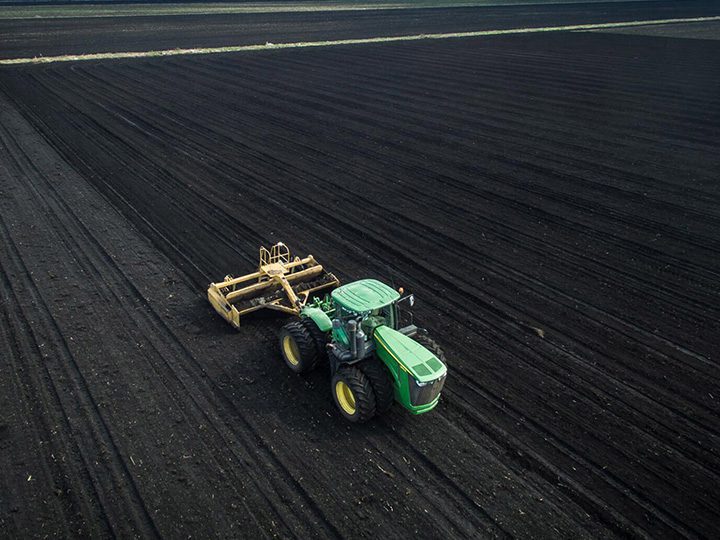
U.S. Sugar’s operations in the EAA are regulated under the Everglades Forever Act and overseen by the South Florida Water Management District (SFWMD). This includes strict adherence to the state-established Best Management Practices (BMPs). SFWMD-led programs continuously monitor the quality of water leaving farms and publicly report performance.

Since 1996, farmers in the EAA, including U.S. Sugar growers, have achieved an average 57% reduction in phosphorus leaving their fields—more than double the 25% reduction required by law. These results are part of a broader accountability framework that tracks progress year over year.
Why This Matters for Communities and Policy
Everglades restoration plays a direct role in protecting South Florida’s unique and treasured ecosystem. Clean water supports public health, preserves wildlife habitats and enhances recreation and property values across South Florida.
The Everglades also fuels a strong tourism and outdoor recreation economy, contributing to the state’s long-term economic resilience. U.S. Sugar operates within a collaborative framework that brings together public investment, agricultural participation and science-based policy to help move these efforts forward.
A Shared Commitment to Stewardship
Protecting Florida’s natural resources while sustaining agricultural livelihoods requires long-term commitment, accountability and partnership, principles that continue to guide our approach to environmental stewardship.
Learn more about U.S. Sugar’s sustainability efforts to ensure the health and longevity of this important region.