U.S. Sugar does NOT just talk about protecting the Everglades, we DO it.
To our farmers, protecting the environment is just as important as producing food. That’s because without clean air, soil, and water, we would not be able to maintain healthy crops. Since our beginning in 1931, one of our top priorities has been the land we call home.
A Steward of
the Everglades
Striving to Protect the Unique Ecosystem
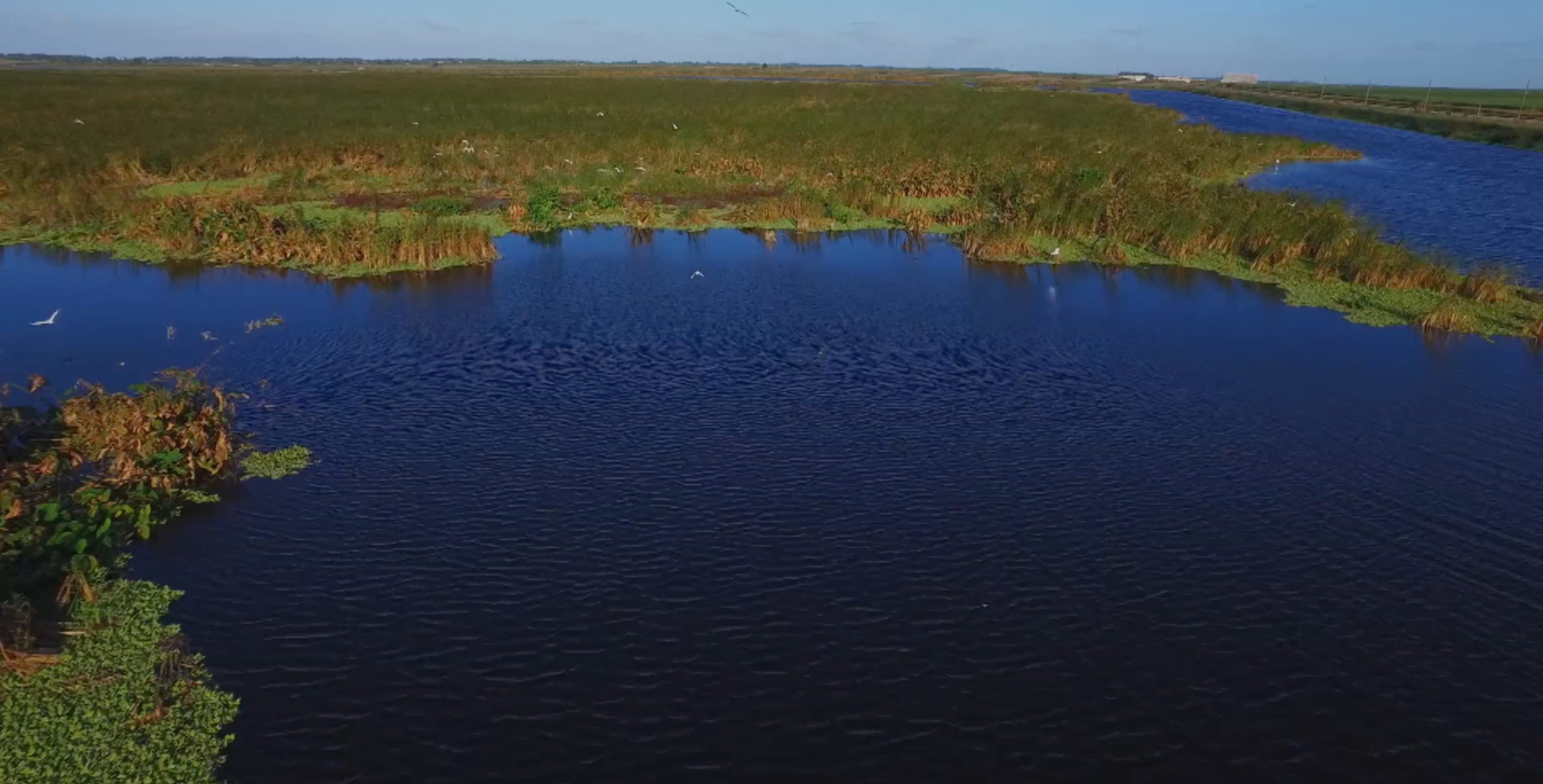
Farmers have invested hundreds of millions of dollars toward improving the quality of water flowing South of farm land. As a neighbor of the Everglades, we feel a strong duty to protect it for generations to come.
Clean Air
Clean Water

Ensuring Clean Water
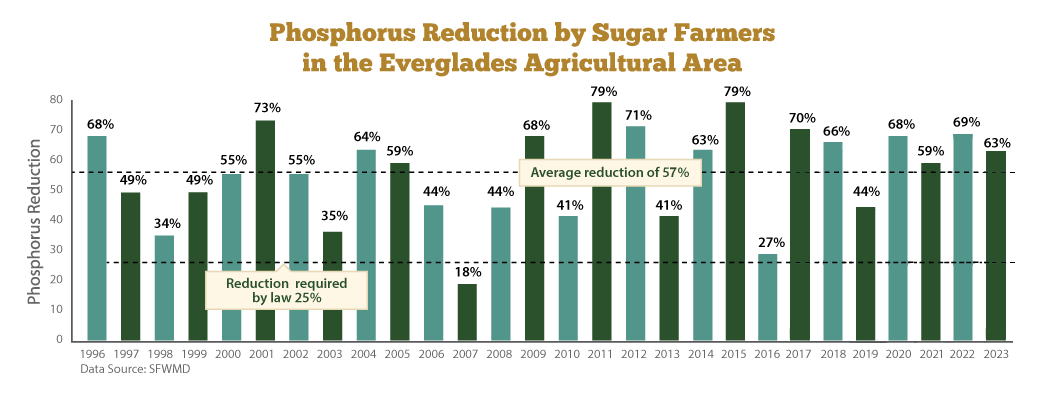
Our company, along with other farmers in the Everglades Agricultural Area, has worked hard to ensure that every drop of water leaving our farms has been cleaned. Our 25+ year efforts in reducing the amount of phosphorus entering the Everglades have been heralded as a major accomplishment and have vastly exceeded what is required by law. Our farmers have helped reduce phosphorus by an average of 57% over the last two decades.
Creating
Green Energy
U.S. Sugar a Leader in Going Green
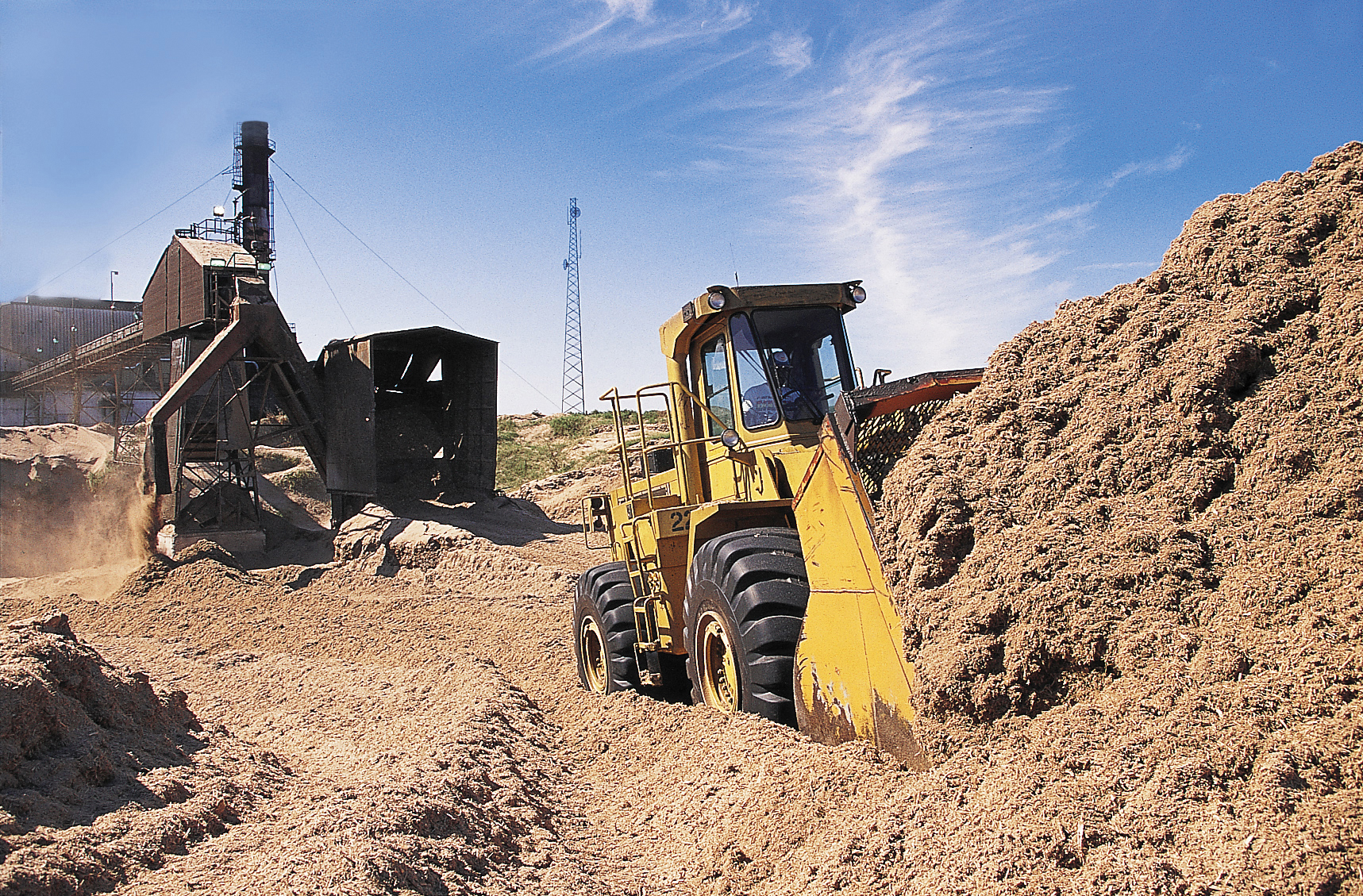
U.S. Sugar is a big believer in the three Rs: recycling, reusing and reducing. In fact, after extracting juice from the sugarcane stalks, we reuse the leftover material called bagasse to create a clean, green biofuel to help power our sugar processing and refining facilities.